Muscle soreness and tightness can make it difficult to stay active, recover from workouts, or fully enjoy daily movement. Whether you are exercising regularly, training for an event, or simply dealing with the physical demands of work and commuting in New York City, recovery plays a major role in how your body feels and performs. One treatment that continues to gain attention among athletes and active adults is cupping therapy.
Many patients visiting our Harlem and Morningside Heights clinics ask whether cupping actually works for muscle recovery or if it is simply a wellness trend. While every patient responds differently, many people experience reduced muscle tension, improved mobility, and faster recovery when cupping is incorporated into a personalized treatment plan.
>>>If muscle tightness or recovery issues are limiting your activity, Request an Appointment today.
What Is Cupping Therapy?
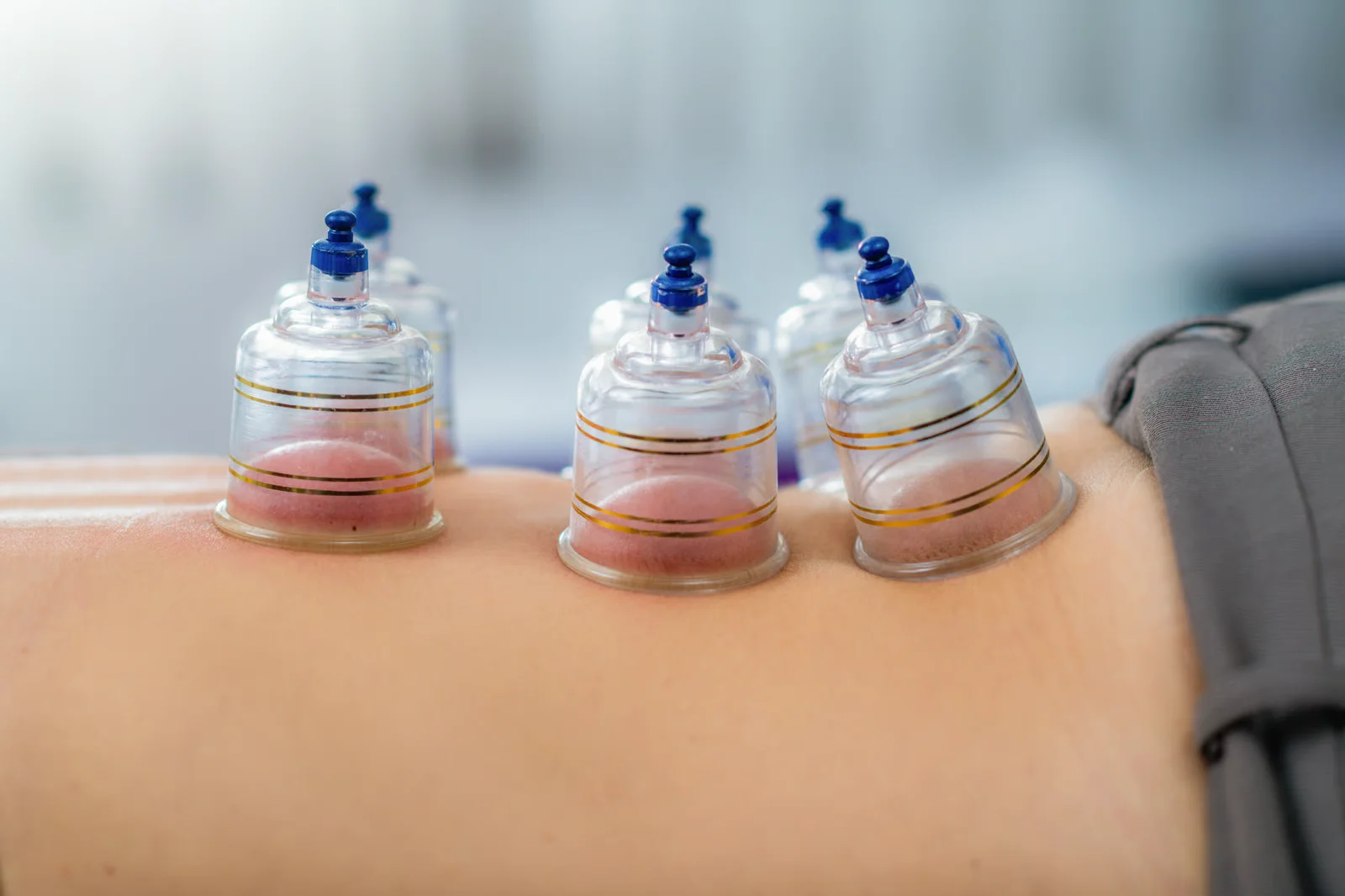
Cupping Therapy is a technique that uses specialized cups to create gentle suction against the skin. This suction helps lift the underlying tissues, which may improve circulation, reduce muscle tension, and encourage relaxation in tight or overworked areas.
Cupping has been used for centuries in different forms of medicine, but today it is commonly integrated into modern physical therapy and sports recovery programs. Many athletes and active individuals use it to support recovery after intense exercise or repetitive physical activity.
The circular marks sometimes left behind after treatment are temporary and are generally caused by increased blood flow near the surface of the skin rather than bruising from injury.
How Cupping May Support Muscle Recovery
Muscle recovery depends on healthy circulation, tissue mobility, and proper healing after physical stress. Tight muscles and restricted fascia can contribute to stiffness, soreness, and reduced range of motion.
We often use Cupping Therapy alongside hands-on treatment and corrective exercise to help address these restrictions. By decompressing the tissues rather than compressing them, cupping may help improve movement and reduce tension in areas that feel chronically tight.
Patients commonly seek cupping therapy for:
- Muscle soreness after exercise
- Neck and shoulder tension
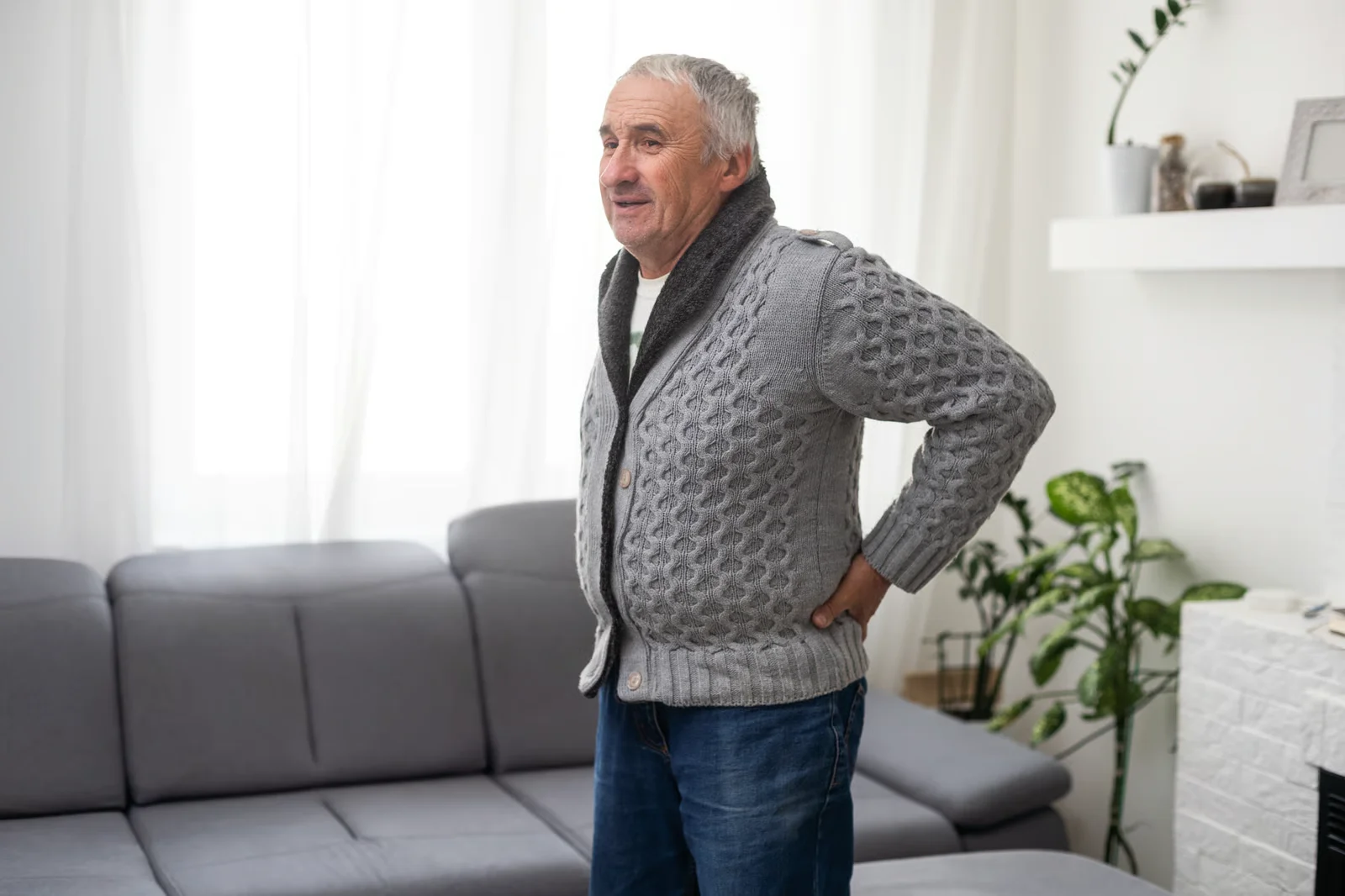
- Tight hips or lower back discomfort
- Recovery from repetitive strain
- Limited mobility related to muscle stiffness
Many patients report feeling looser and more mobile after treatment, especially when cupping is combined with stretching and strengthening exercises.
Combining Cupping With Other Physical Therapy Treatments
Cupping is rarely used as a standalone treatment. The best results often come from combining it with a full recovery and movement program designed around the patient’s goals and physical needs.
For example, we may pair Cupping Therapy with Manual Therapy to improve joint mobility and soft tissue flexibility. Some patients also benefit from Low-Level Laser Therapy to help reduce inflammation and support tissue healing during recovery.
Movement retraining and strengthening exercises are equally important because lasting recovery depends on improving how the body moves and handles physical stress over time.
Is Cupping Therapy Right for Everyone?
Although many people tolerate cupping therapy very well, treatment should always be tailored to the individual. Certain medical conditions, skin sensitivities, or injuries may require modifications or alternative approaches.
That is why we begin with a thorough evaluation to understand movement patterns, pain levels, and recovery goals before recommending treatment. Our goal is always to create a plan that supports long-term function and overall wellness, not simply temporary symptom relief.
Creative Physical Medicine for Health and Healing means helping patients recover more effectively so they can continue doing the activities they enjoy. If muscle tightness, soreness, or recovery challenges are affecting your daily routine, call (212) 222-6525 or Request an Appointment today.