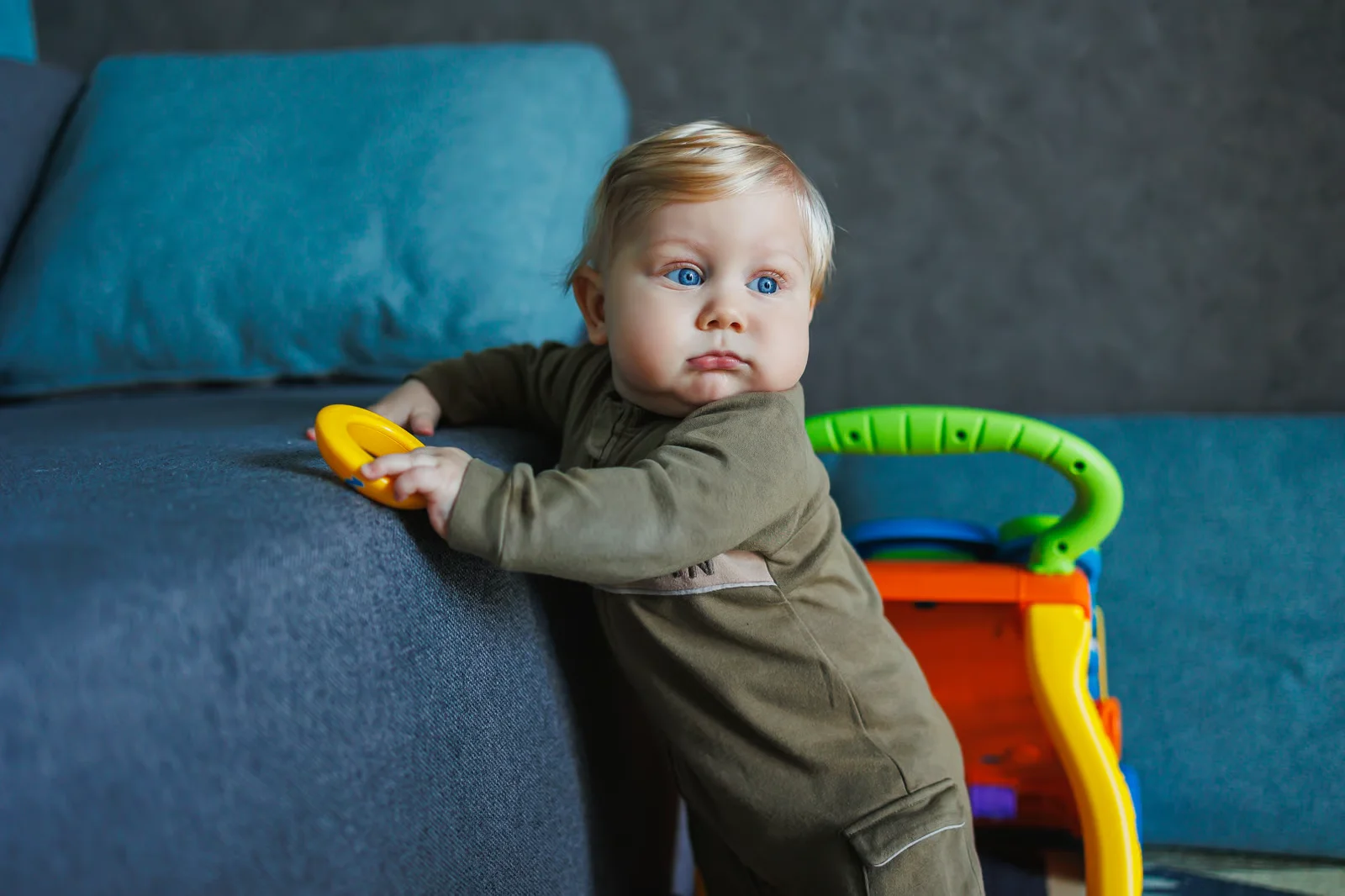
It can be concerning to watch your child frequently trip, bump into furniture, struggle with coordination, or seem unusually clumsy compared to other children their age. While occasional falls are a normal part of childhood development, repeated balance and coordination issues may signal underlying movement or sensory challenges that deserve closer attention.
Many families visiting our Harlem and Morningside Heights clinics want to understand whether their child’s coordination difficulties are simply part of growing up or something that could benefit from professional support. Early intervention can help children move more confidently, participate comfortably in school and play activities, and build important motor skills.
>>>If you have concerns about your child’s balance or coordination, Request an Appointment today.
Why Some Children Struggle With Coordination
Children develop movement skills at different rates, but persistent tripping or bumping into objects may point to challenges involving balance, muscle control, body awareness, or sensory processing. Some children have difficulty understanding where their body is positioned in space, which can make everyday movements feel less controlled.
Muscle weakness, poor postural stability, and delayed motor development can also contribute to frequent falls or awkward movement patterns. In some cases, children may avoid physical activity because movement feels frustrating or difficult, which can further limit strength and coordination over time.
Common signs parents often notice include:
- Frequent tripping while walking or running
- Difficulty navigating stairs
- Bumping into walls, furniture, or classmates
- Trouble catching or kicking a ball
- Poor posture while sitting or standing
These patterns may affect not only physical activity but also confidence and participation in social settings.
The Role of Sensory Processing and Body Awareness
Coordination depends heavily on the brain’s ability to process sensory information correctly. Children use input from their muscles, joints, vision, and inner ear to maintain balance and understand movement.
When this system is not functioning efficiently, children may appear clumsy or unsteady. They may struggle to judge distances accurately, react more slowly to changes in direction, or have difficulty organizing movements smoothly.
We often work with children who benefit from improving proprioception, which is the body’s awareness of position and movement. Building this awareness can help children move more safely and confidently throughout daily activities.
Our therapists use individualized movement-based strategies to support balance, coordination, strength, and sensory integration in ways that feel engaging and age-appropriate.
How Therapy Can Support Better Balance and Coordination
Early support can make a meaningful difference in helping children improve motor skills and movement confidence. Through personalized treatment plans, we help children strengthen the muscles needed for stability while improving coordination and body control.
Pediatric Occupational Therapy may help children develop better body awareness, improve sensory processing, and strengthen fine and gross motor skills that support daily activities at home and school.
Depending on the child’s specific needs, therapy may focus on:
- Balance and stability exercises
- Coordination training through play-based movement
- Core strengthening activities
- Postural control and body awareness
- Sensory integration strategies
We tailor each program to the child’s developmental level and comfort while helping families better understand how to support progress outside the clinic.
When Parents Should Seek an Evaluation
Many children experience occasional clumsiness, especially during growth spurts, but recurring falls or coordination problems that interfere with daily life should not be ignored. Early evaluation can help identify whether movement challenges are related to strength, balance, sensory processing, or developmental delays.
Parents may want to seek support if their child avoids playground activities, struggles to keep up with peers physically, or frequently becomes frustrated during movement-based tasks.
Creative Physical Medicine for Health and Healing means helping children feel more confident in their bodies while supporting healthy development through compassionate care. If your child is frequently tripping, bumping into things, or struggling with coordination, call (212) 222-6525 or Request an Appointment today.