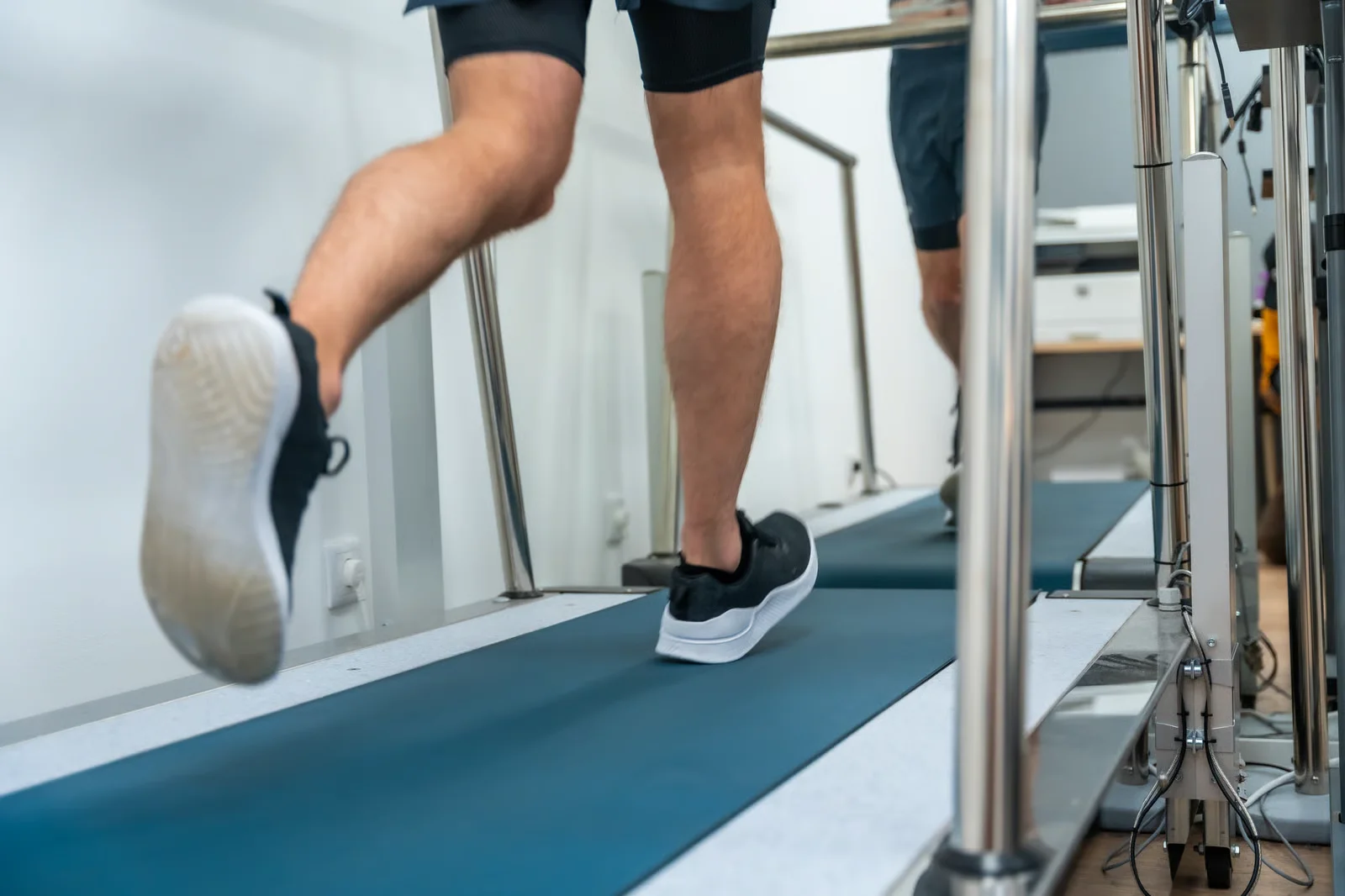
A sharp, aching pain along the front of the lower leg can quickly turn a great workout into a frustrating setback. Shin splints are one of the most common overuse injuries among runners, athletes, and active individuals, especially when training intensity increases too quickly.
This condition, medically known as medial tibial stress syndrome, occurs when repetitive stress irritates the muscles, tendons, and bone tissue around the shin. While shin splints are common, they should not be ignored. Addressing the root cause early can help prevent more serious injuries and speed up recovery.
Many runners, athletes, and active residents visit our Harlem and Morningside Heights clinics when shin pain begins interfering with their workouts or daily movement.
If you are experiencing shin pain during or after exercise, our team can help identify the cause and create a targeted recovery plan, and you can easily book an appointment online to begin your path toward healing.
What Exactly Are Shin Splints?
Shin splints refer to pain that develops along the inner edge of the tibia, the large bone in the lower leg. The discomfort typically appears during physical activity and may worsen if training continues without proper recovery.
The condition often occurs when the muscles and connective tissues surrounding the tibia become overloaded. This repetitive stress causes inflammation where muscles attach to the bone, leading to tenderness and pain along the shin.
Athletes who participate in high impact sports such as running, basketball, soccer, and dance are particularly susceptible. However, anyone who suddenly increases activity levels can develop shin splints.
Without treatment or training modifications, this irritation may progress into more serious conditions such as stress fractures, making early intervention especially important.
Common Causes of Shin Splints
Shin splints usually develop when repetitive impact places excessive strain on the lower leg muscles and bones. Training habits, biomechanics, and footwear all play a role in how stress is distributed through the legs.
Several factors frequently contribute to the development of shin splints:
- Rapid increases in training intensity or mileage
- Running on hard or uneven surfaces
- Worn out or unsupportive footwear
- Flat feet or abnormal foot mechanics
- Weak hip and core muscles affecting running form
- Tight calf muscles limiting ankle mobility
When these factors combine, the lower leg muscles must work harder to stabilize the foot and absorb impact forces. Over time, this repeated strain leads to inflammation and pain along the shin.
Hands-on techniques such as Manual Therapy can help address tight muscles and restricted joints that contribute to these biomechanical stresses.
Early Signs You Should Not Ignore
Shin splints often begin gradually, which makes them easy to dismiss in the early stages. Many athletes initially feel a mild ache at the beginning of a run that seems to improve as the muscles warm up.
However, as the condition progresses, the pain may become more persistent and noticeable during activity. Eventually, discomfort may remain even after exercise has ended.
Common warning signs include tenderness along the inner shin, mild swelling in the lower leg, or soreness that worsens with activity. Some individuals also notice tightness in the calves or difficulty maintaining their usual training intensity.
If these symptoms continue without treatment, the stress placed on the tibia can increase the risk of developing a stress fracture. Seeking professional guidance early can help prevent this progression and allow athletes to return to activity more safely.
Effective Ways to Heal Shin Splints Faster
Recovery from shin splints involves reducing inflammation while addressing the mechanical factors that caused the injury. Simply resting without correcting underlying issues often leads to recurring pain when training resumes.
Treatment strategies that support faster recovery may include:
- Temporarily reducing high impact activities
- Improving flexibility in the calves and ankles
- Strengthening the hips, core, and lower leg muscles
- Gradually rebuilding running or training volume
- Addressing footwear or biomechanical issues
Hands on treatment can help accelerate recovery by improving circulation and reducing muscle tension. Techniques such as Cupping Therapy may help release tight soft tissue while supporting improved blood flow to the affected area.
For athletes experiencing persistent inflammation, Low-Level Laser Therapy may also be incorporated to support cellular recovery and tissue healing.
Preventing Shin Splints From Returning
Once symptoms improve, prevention becomes the next priority. Many athletes experience recurring shin splints because the underlying causes are not fully addressed.
Improving strength, flexibility, and running mechanics can significantly reduce the likelihood of reinjury. Strengthening the muscles that support the hips and core helps maintain proper alignment during running and jumping activities.
Programs such as Pilates for Rehab can be particularly helpful for athletes recovering from overuse injuries. These exercises emphasize core stability, posture, and controlled movement patterns that reduce strain on the lower legs.
Gradual training progression is also essential. Increasing mileage, intensity, or frequency too quickly places excessive stress on the lower legs before tissues have time to adapt.
Athletes who rotate training surfaces, replace worn footwear regularly, and incorporate strength training into their routines often experience fewer overuse injuries.
Getting Back to Pain Free Movement
Shin splints can be frustrating, especially for runners and athletes eager to stay active. The good news is that with the right treatment and training adjustments, most people can recover fully and return to their favorite activities.
Addressing the root causes of shin splints not only helps relieve current pain but also improves overall performance and movement efficiency. Personalized physical therapy programs focus on restoring strength, correcting biomechanics, and supporting long term injury prevention.
Many active individuals throughout Upper Manhattan trust our Harlem and Morningside Heights clinics for expert care when sports injuries interrupt their training routines.
Creative Physical Medicine for Health and Healing.
If shin pain is limiting your workouts or daily activities, professional guidance can help you recover faster and move with confidence again. Call 646-846-8032 or schedule an evaluation through our contact page to start a personalized treatment plan.