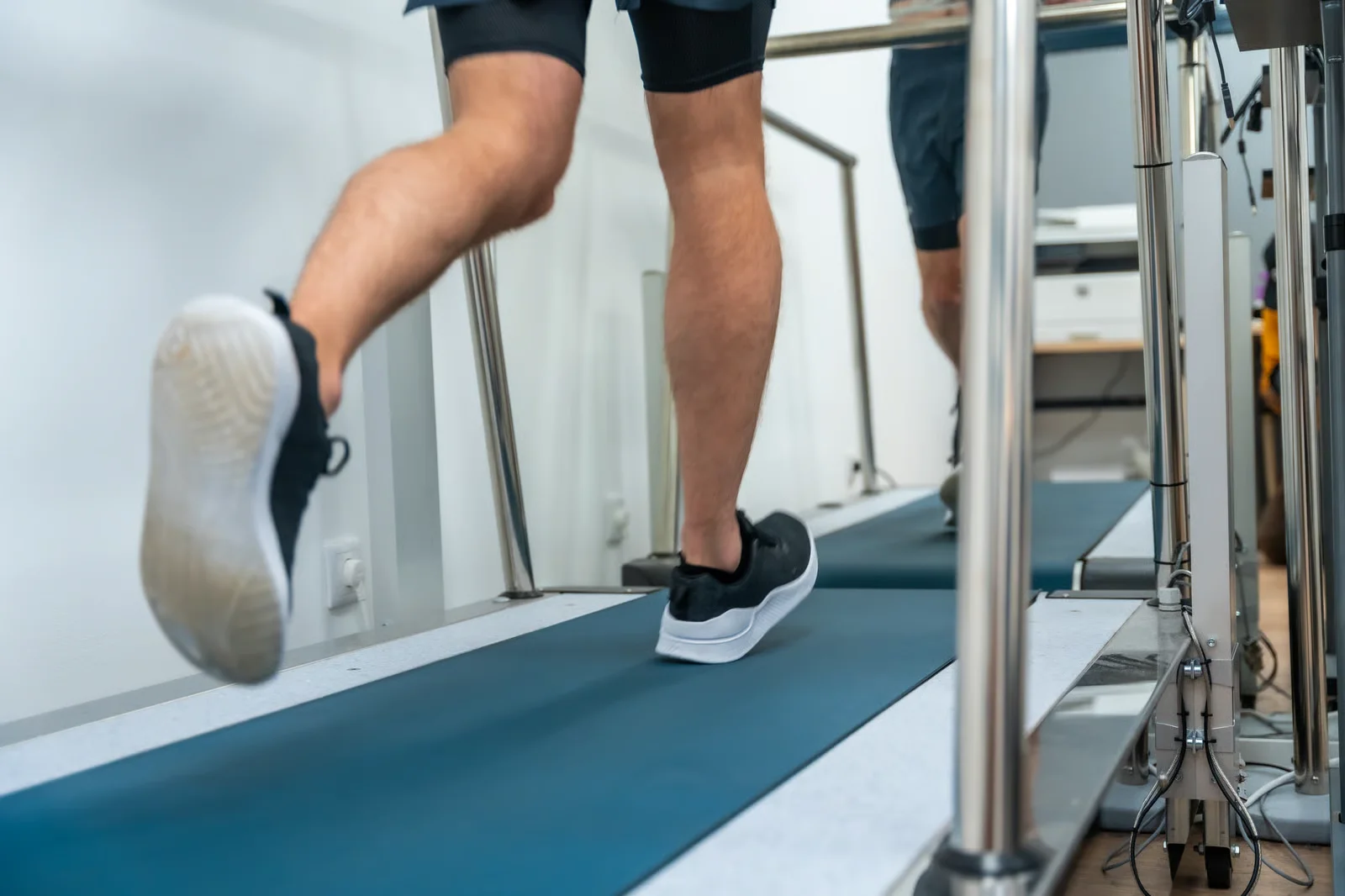
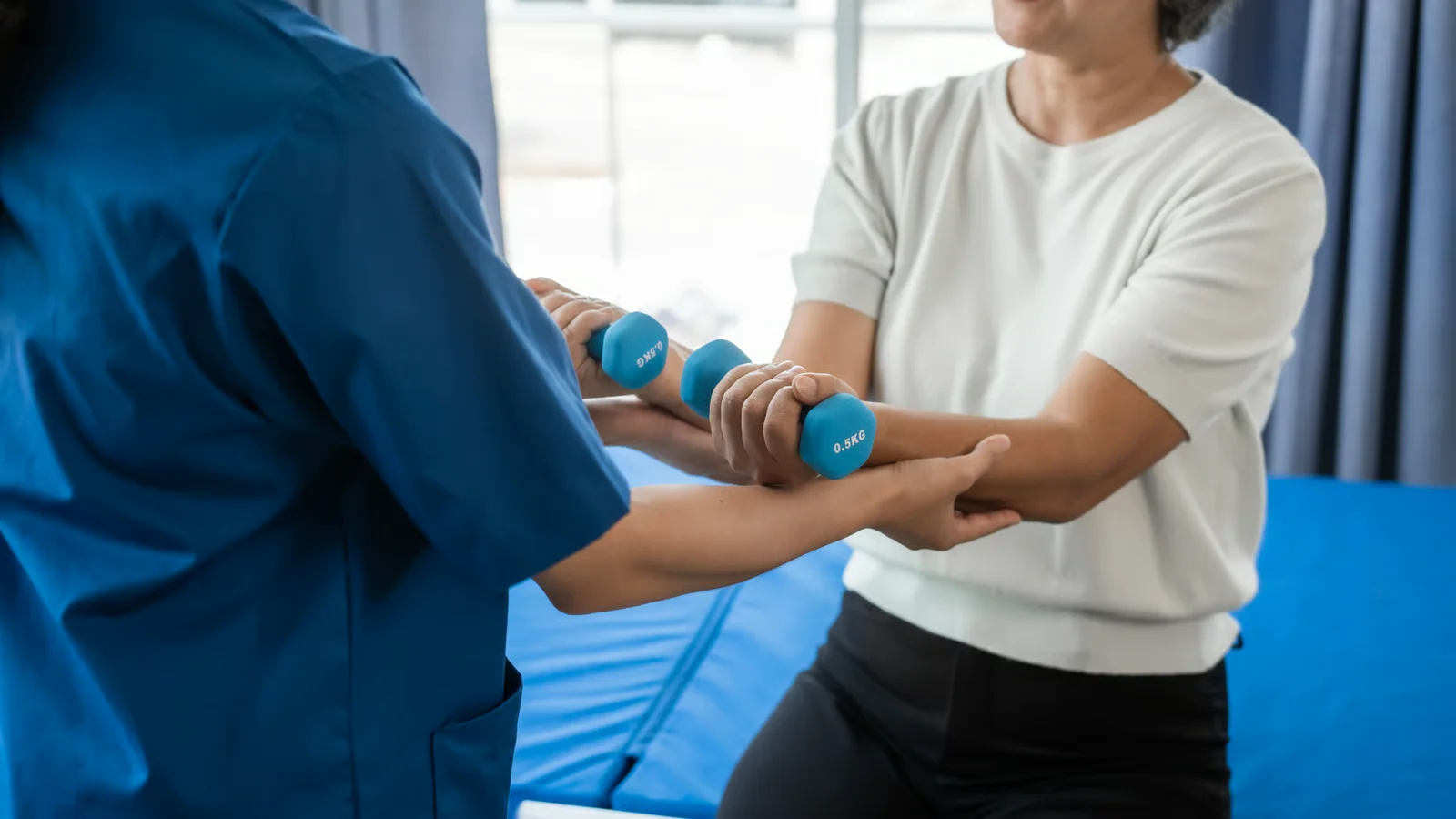
That nagging ache during your workout may be your body asking for a smarter plan, not a complete stop. Many active people in Upper Manhattan think they have to choose between pushing through pain or giving up the workouts they love, but our physical therapists help patients find a better path. We focus on movement quality, strength balance, recovery, and personalized care so exercise can stay part of your life without feeding irritation.
>>>Take the next step toward safer training and book an appointment online.
Why Overuse Injuries Happen
Overuse injuries often build gradually when the same tissues absorb repeated stress without enough recovery. The problem is rarely one single workout. It is usually the pattern: too much volume, too much intensity, poor mechanics, limited mobility, muscle weakness, or not enough time between similar sessions.
That matters for runners, lifters, dancers, tennis players, cyclists, fitness class regulars, and busy New Yorkers who walk stairs, commute, carry bags, and train on top of it all.
The goal is not to fear movement. The goal is to make your body more prepared for the movement you enjoy.
Change the Stress Without Quitting Exercise
One of the simplest ways to prevent overuse injuries is to stop repeating the exact same stress every day. Your tendons, muscles, joints, and bones adapt to load, but they need variation to avoid overload.
Our physical therapists often help patients adjust their weekly training rhythm rather than removing exercise completely.
Helpful changes can include:
- Alternating high-impact and low-impact workout days
- Rotating upper body, lower body, mobility, and conditioning sessions
- Increasing running mileage or lifting volume gradually
- Replacing one intense workout with recovery-based movement
- Changing surfaces, equipment, or exercise angles when needed
Small changes can protect irritated tissue while allowing you to maintain momentum. This is especially important for patients training for a race, returning to strength work, joining group fitness classes, or trying to stay active around a demanding work or school schedule.
Pay Attention to Early Warning Signs
Overuse injuries often begin as mild discomfort during activity. Pain that warms up and disappears may still be a signal. Stiffness the next morning, tenderness in one spot, swelling, reduced performance, or discomfort that returns at the same point in every workout should not be brushed off.
Our physical therapists look at where the stress is coming from. Knee pain may be connected to hip weakness. Achilles irritation may be related to calf load, ankle mobility, footwear, or running form. Shoulder pain may reflect posture, scapular control, or too much pressing without enough pulling.
When symptoms are caught early, we can often help patients modify training without losing all progress. That may mean adjusting volume, improving form, adding targeted strength work, or changing the way the body absorbs force.
Build Recovery Into Your Training Plan
Recovery is not laziness. It is part of training. A good recovery plan can include sleep, hydration, mobility work, easy movement, and planned lower-intensity days.
For some patients, we use Heart Rate Variability to better understand how the nervous system is responding to stress, training, and recovery.
Upper Manhattan life can make recovery more complicated. Walking to the subway, climbing stairs, standing for work, carrying groceries, sitting through long classes, and training after a busy day all add to the body’s total load. Our physical therapists account for those real-life demands when creating a plan.
Strengthen the Weak Links
Overuse injuries often show up where the body is compensating. A runner with weak hip stabilizers may overload the knee. A desk worker who lifts after long hours of sitting may strain the shoulder or neck. A recreational athlete with limited ankle mobility may overload the foot, calf, or Achilles tendon.
Our physical therapists use movement assessment to identify these weak links. Then we build a plan that may include:
- Strength training for hips, core, feet, shoulders, and spine
- Mobility drills to improve joint motion
- Balance work to improve control
- Motor control exercises to refine movement patterns
- Hands-on care to reduce restrictions that affect mechanics
Manual Therapy can help improve joint and soft tissue mobility when stiffness changes how you move. Active Release Technique may be used to address soft tissue restrictions that contribute to repetitive strain. Pilates for Rehab can support core control, alignment, and efficient movement during recovery and prevention.
Use Supportive Care When Needed
Sometimes smart training changes are enough. Other times, irritated tissues need additional support to calm pain, improve circulation, restore mobility, or improve muscle activation.
Depending on the patient, we may incorporate NEUBIE Therapy for neuromuscular re-education, Low-Level Laser Therapy to support tissue healing, or Cupping Therapy to address muscle tension and mobility restrictions.
These treatments work best when paired with the right exercise plan. Creative Physical Medicine for Health and Healing means we combine touch, exercise, technology, and careful progression to help patients return to the workouts and daily routines they care about most.
Keep Moving With a Smarter Plan
You do not need to stop every workout the moment pain appears, but you should not ignore repeated discomfort either. Overuse injury prevention is about balance: enough load to build strength, enough recovery to adapt, and enough guidance to move well.
We serve active patients near Harlem and Morningside Heights who want to keep moving without guessing their way through pain. Call 212-222-6525 or book an appointment online to schedule your evaluation and keep your body moving with confidence.